Inner anger is one of the most powerful — and misunderstood — human emotions. Left unaddressed, it can quietly damage relationships, decision-making, health, and self-esteem. But when understood and managed properly, anger becomes a signal — not an enemy.
In this guide, we’ll explore practical, psychology-backed ways to neutralize inner anger and transform it into clarity, strength, and emotional balance.
1. Understand What Inner Anger Really Is
Anger is rarely the “primary” emotion. According to research popularized by psychologists like Daniel Goleman, anger often masks deeper feelings such as:
-
- Hurt
-
- Fear
-
- Rejection
-
- Shame
-
- Powerlessness
Instead of asking, “Why am I so angry?” try asking:
“What am I feeling underneath this anger?”
This simple shift reduces emotional intensity immediately.

2. Pause the Physiological Reaction
Anger activates the fight-or-flight response — increasing heart rate, muscle tension, and stress hormones.
To neutralize it in the moment:
Try the 90-Second Rule
Neuroscientist Jill Bolte Taylor explains that the chemical surge of an emotional reaction lasts about 90 seconds — unless we keep feeding it with thoughts.
Practice:
-
- Stop talking.
-
- Take slow, deep breaths.
-
- Let the physical wave pass.
Most anger loses its intensity if you don’t mentally replay the trigger.

3. Identify the Trigger Pattern
Anger is often repetitive. The same themes tend to trigger it:
-
- Feeling disrespected
-
- Being ignored
-
- Losing control
-
- Unmet expectations
Write down:
-
- What happened?
-
- What story did I tell myself?
-
- What did I need in that moment?
This moves you from reaction to awareness.

4. Reframe the Narrative
Psychiatrist Aaron T. Beck, founder of cognitive therapy, emphasized that thoughts create emotional responses.
Instead of:
“They did this on purpose.”
Try:
“Is there another possible explanation?”
Reframing doesn’t excuse behavior — it reduces emotional charge.

5. Release Anger Physically
Anger is stored energy. Suppressing it often leads to resentment or burnout.
Healthy outlets:
-
- Intense exercise
-
- Journaling uncensored thoughts
-
- Hitting a punching bag
-
- Screaming into a pillow
-
- Cold showers
The goal is discharge — not suppression.

6. Practice Emotional Regulation Daily
You cannot neutralize anger only in moments of crisis. Build emotional resilience through:
Meditation
Mindfulness practices (popularized in Western psychology by figures like Jon Kabat-Zinn) help you observe anger without becoming it.
Self-Reflection
Daily check-ins:
-
- What irritated me today?
-
- What boundary was crossed?
-
- Did I communicate it?
Sleep & Nutrition Sleep deprivation increases emotional reactivity dramatically.

7. Communicate Before It Becomes Resentment
Unexpressed anger turns into bitterness.
Use this formula:
“When ___ happens, I feel ___ because ___. I would prefer ___.”
Example:
“When meetings start late, I feel frustrated because I value punctuality. I’d appreciate starting on time.” Clear communication neutralizes long-term anger buildup.

8. Forgiveness (Without Weakness)
Forgiveness is not approval. It’s emotional detachment.
As taught in many philosophical and spiritual traditions — from Marcus Aurelius to modern psychology — holding anger harms the holder more than the target.
Forgiveness means:
-
- I release the emotional grip.
-
- I keep the lesson.
-
- I adjust boundaries if needed.

9. When Anger Is Chronic
If inner anger feels constant, explosive, or uncontrollable, consider:
-
- Therapy (especially Cognitive Behavioral Therapy)
-
- Anger management programs
-
- Trauma-informed counseling
Chronic anger often links to unresolved emotional wounds.
Seeking help is strength — not weakness.
Final Thoughts
Anger is not the enemy. It’s information.
It tells you:
-
- Something feels unfair.
-
- A boundary was crossed.
-
- A need was unmet.
-
- A wound was triggered.
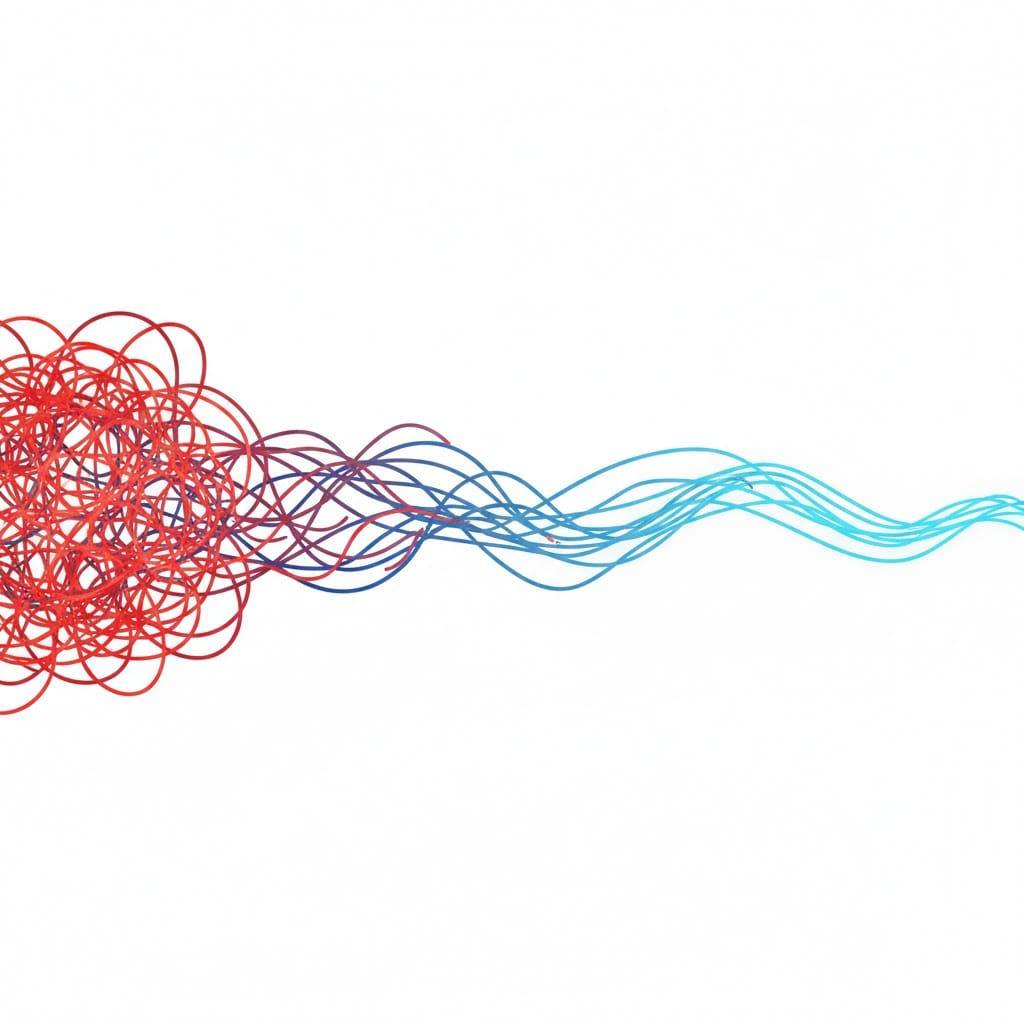
Neutralizing inner anger doesn’t mean eliminating it.
It means mastering it.
When you learn to pause, understand, reframe, release, and communicate — anger transforms from destruction into direction. And that is emotional power.