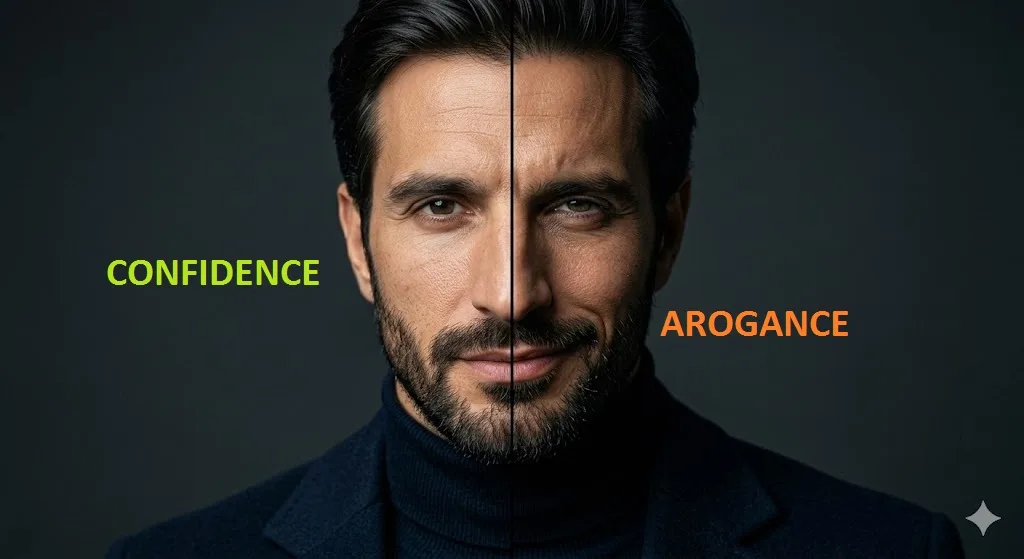









Whether Confidence is Arrogance? Key Differences: In short, confidence is knowing who you are, while arrogance is trying to convince others you are better than them. Difference Between Confidence and...
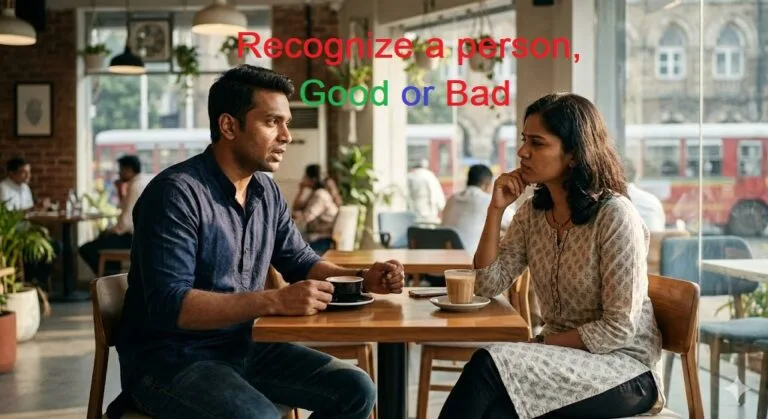
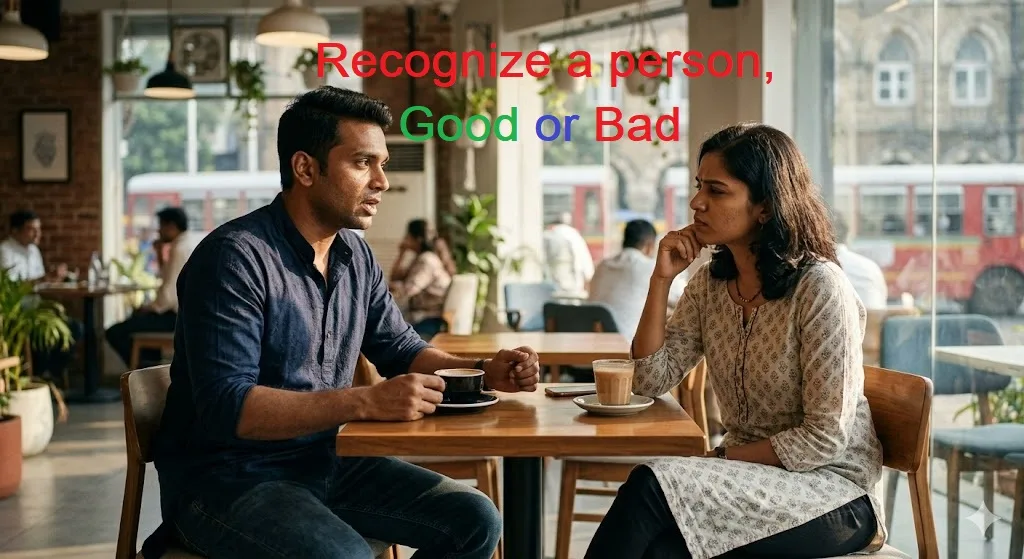
It’s may not be always accurate for us (or fair) to recognize people Good or Bad and label someone as simply “good” or “bad.” Most people are a mix of strengths and weaknesses. Instead of judging the...
Section Title Proper Communication is a form of ART Byanupsarkardigital@gmail.com February 20, 2026 Motivational … Read More Right Decision in time. But how? Byanupsarkardigital@gmail.com...

Making the right decision at the right time is one of the most valuable life skills. Whether it’s choosing a career path, managing finances, or handling personal relationships, timely decisions can...
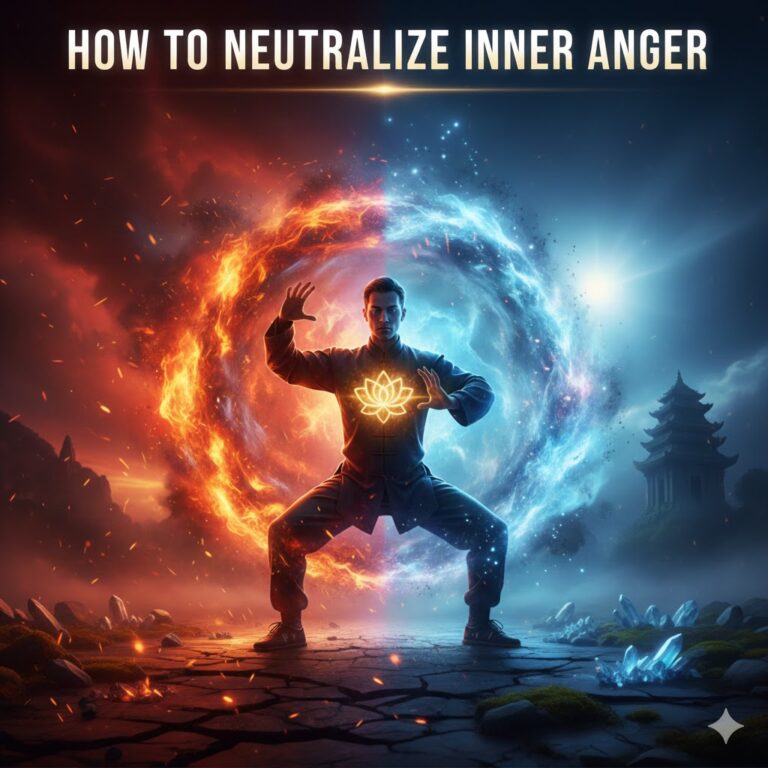
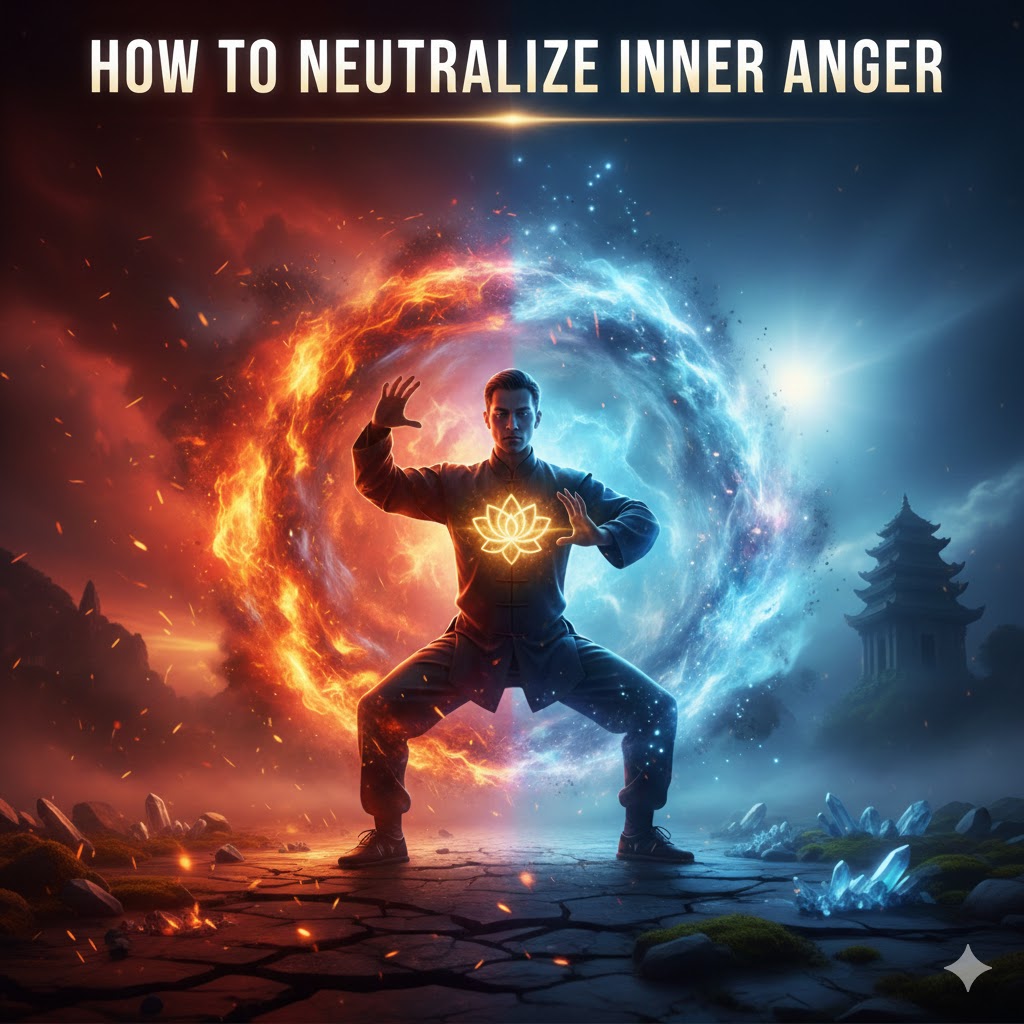
Inner anger is one of the most powerful — and misunderstood — human emotions. Left unaddressed, it can quietly damage relationships, decision-making, health, and self-esteem. But when understood and...

Increasing positivity in your inner soul isn’t about forcing happiness — it’s about creating inner balance, self-awareness, and emotional strength. True positivity grows from how you think, what you...
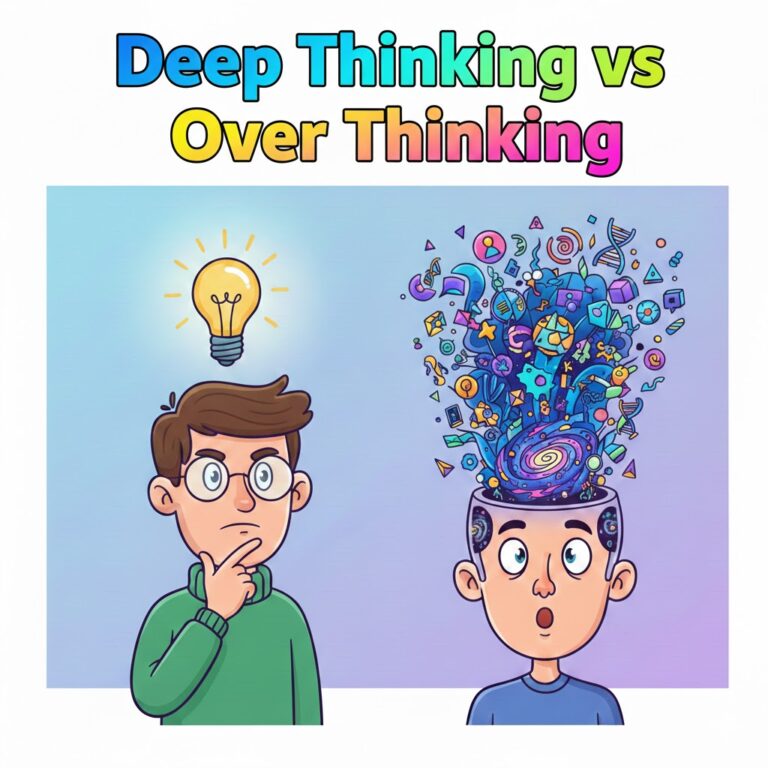
Some people sit quietly and change the world with a single idea. Others sit quietly and exhaust themselves with a thousand worries. From the outside, they look the same. Both are “in their heads.”...

Everyday Is a New Day- It is the fact. Every day we wake up to something quietly powerful: a fresh start. No matter what yesterday held—success or failure, joy or disappointment —today arrives without...

Depression is more than feeling sad or having a bad day. It is a serious mental health condition that affects how you think, feel, and function. If you’re struggling, know this: recovery is possible...